Capstone Technologies Group LLC Capstone Technologies Group LLC
  • Home
  • Services
    • Managed IT Solutions
    • Cybersecurity Services
    • Data Protection & Recovery
    • VoIP Solutions
    • Website Solutions
  • Industry Solutions
    • Legal IT Solutions
    • Medical IT Solutions
    • Financial IT Solutions
    • SMB IT Solutions
    • Non Profit IT Solutions
  • Resources
    • Blog
    • White Papers
    • Threat Intelligence Center
  • About Us
    • Who We Are
    • Client Testimonials
    • Case Studies
  • Threat Intelligence Center
  • Pricing

Springfield, OH · Call (937) 319-1211

Facebook
LinkedIn
Mastodon
Bluesky
Capstone Technologies Group LLC Capstone Technologies Group LLC
  • Home
  • Services
    • Managed IT Solutions
    • Cybersecurity Services
    • Data Protection & Recovery
    • VoIP Solutions
    • Website Solutions
  • Industry Solutions
    • Legal IT Solutions
    • Medical IT Solutions
    • Financial IT Solutions
    • SMB IT Solutions
    • Non Profit IT Solutions
  • Resources
    • Blog
    • White Papers
    • Threat Intelligence Center
  • About Us
    • Who We Are
    • Client Testimonials
    • Case Studies
  • Threat Intelligence Center
  • Pricing

Contact Us

Threat Intelligence Center

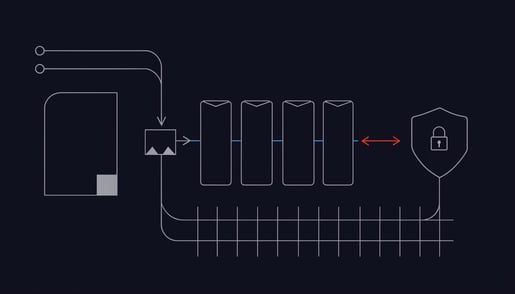
Schematic of adversary-in-the-middle MFA relay: staged fake login screens passing one-time codes to the real service

RecruitTrap Phishing Uses Browser-in-the-Browser Popups to Steal Logins

Security firm CTM360 has documented more than 3,000 phishing URLs built around recruitment and job-offer themes in a campaign it tracks as RecruitTrap.
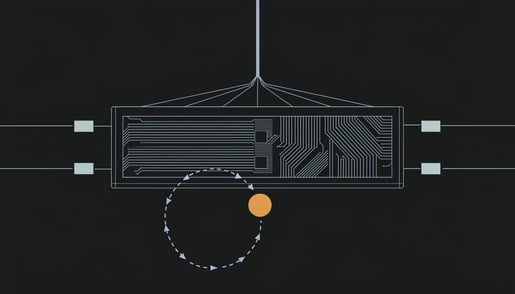
Schematic of Evooo1Bot persistence mechanisms and five-minute cron re-download beacon on an infected Linux router

Evooo1Bot Linux Botnet Turns Routers Into Traffic Relay Nodes

Evooo1Bot, a Mirai-based botnet tracked by Fortinet since July, infects routers from NETGEAR, D-Link, Tenda, and others to convert them into SOCKS5 relay nodes.
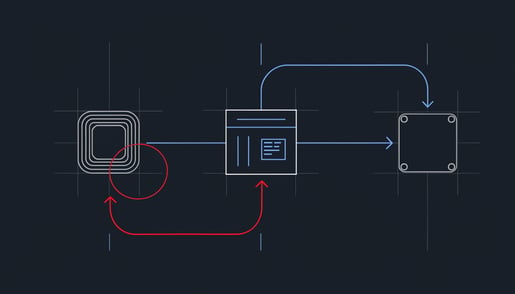
Schematic of OAuth device code sign-in flow where the access token is issued to the attacker session, not the user

AI-Enabled Device Code Phishing Campaign Abuses Device Code Sign-In Flow

Device code authentication was built for input-constrained devices, and attackers have learned to turn that convenience against users. This analysis walks through an AI-enabled device code phishing campaign, examining how the operation was assembled, how AI factored into it, and why the abuse of a legitimate sign-in flow makes this technique harder to spot than conventional credential phishing.
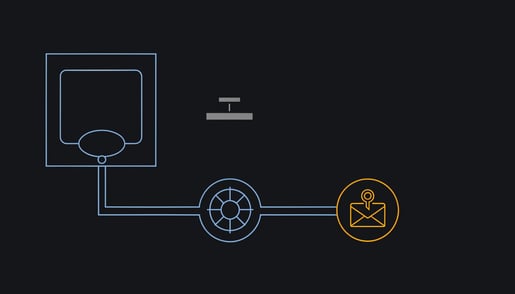
Circuit schematic showing placeholder noreply sender address resolving to an attacker-registered domain receiving credentials

Researcher Buys noreply.net and Companies Start Emailing Him Secrets

Automated notifications, password resets, and system alerts often go out from no-reply addresses that nobody verifies. A researcher registered the domain noreply.net and found companies sending him their secrets, because their outbound mail and reply paths pointed to a domain they did not control. Any address your systems generate is infrastructure someone else can own if you do not.
Blueprint diagram showing default authentication client abuse leading to remote code execution and credential theft in SAP Commerce Cloud

Max Severity SAP Commerce Cloud Flaw Now Exploited in Active Attacks

A maximum-severity flaw in SAP Commerce Cloud has moved from disclosure to real-world exploitation, putting deployments of the commerce platform at risk. The reporting tracks four identifiers: CVE-2026-22732, CVE-2026-34263, CVE-2026-44761 and CVE-2026-58231. Teams running SAP Commerce Cloud should confirm patch status and review logs for exploitation attempts.
Circuit schematic of stolen credentials leading to file discovery, data staging, exfiltration and ransomware encryption

Interlock Ransomware Attack on Texas Hearing Institute Hits 30,000 Patients

Texas Hearing Institute notified 29,744 patients after the Interlock ransomware group stole 540 GB of files including Social Security numbers and diagnosis records.
Akira attack chain diagram: SonicWall VPN credential spray to S3 exfiltration and Safe Boot registry persistence

Akira Ransomware Reboots Windows Into Safe Mode to Knock EDR Offline

The Akira ransomware group is abusing a legitimate Windows feature to neutralize endpoint detection and response. By modifying boot configuration with bcdedit and msconfig.exe, operators reboot hosts into Safe Mode, where most EDR agents and security services do not start, and then execute akira.exe.

More Articles …

  1. White House Enlists Security Firms for Hack-Back Operations on Scattered Spider
  2. CVE-2026-43284 and CVE-2026-43500 Affect Hitachi Energy APM Edge Deployments
  3. Supply Chain Attack Leaks Terabytes of Credentials Tied to LiteLLM and Trivy
  4. Chrome Cuts 7 Billion Unwanted Android Notifications a Day to Fight Abuse
  • 5
  • 6
  • 7
  • 8
  • 9
  • 10
  • 11
  • 12
  • 13
  • 14

Page 10 of 67

Facebook
LinkedIn
Mastodon
Bluesky
Schedule Your Assessment!

About Us

  • Privacy Policy
  • Code of Ethics
  • Sitemap
Mastodon

Areas We Serve

  • Managed IT Services Springfield, Ohio
  • Managed IT Services Dayton, Ohio
  • Managed IT Services Columbus, Ohio
Location: Springfield, Ohio · Serving Southwest and Central Ohio
Phone: (937) 319-1211
Email: [email protected]
SUBSCRIBE To Our Newsletter

Get the latest news!

Copyright © 2026 Capstone Technologies Group. All Rights Reserved.
Customized & Hosted by Capstone Technologies Group Great Hosting