Capstone Technologies Group LLC Capstone Technologies Group LLC
  • Home
  • Services
    • Managed IT Solutions
    • Cybersecurity Services
    • Data Protection & Recovery
    • VoIP Solutions
    • Website Solutions
  • Industry Solutions
    • Legal IT Solutions
    • Medical IT Solutions
    • Financial IT Solutions
    • SMB IT Solutions
    • Non Profit IT Solutions
  • Resources
    • Blog
    • White Papers
    • Threat Intelligence Center
  • About Us
    • Who We Are
    • Client Testimonials
    • Case Studies
  • Threat Intelligence Center
  • Pricing

Springfield, OH · Call (937) 319-1211

Facebook
LinkedIn
Mastodon
Bluesky
Capstone Technologies Group LLC Capstone Technologies Group LLC
  • Home
  • Services
    • Managed IT Solutions
    • Cybersecurity Services
    • Data Protection & Recovery
    • VoIP Solutions
    • Website Solutions
  • Industry Solutions
    • Legal IT Solutions
    • Medical IT Solutions
    • Financial IT Solutions
    • SMB IT Solutions
    • Non Profit IT Solutions
  • Resources
    • Blog
    • White Papers
    • Threat Intelligence Center
  • About Us
    • Who We Are
    • Client Testimonials
    • Case Studies
  • Threat Intelligence Center
  • Pricing

Contact Us

Threat Intelligence Center

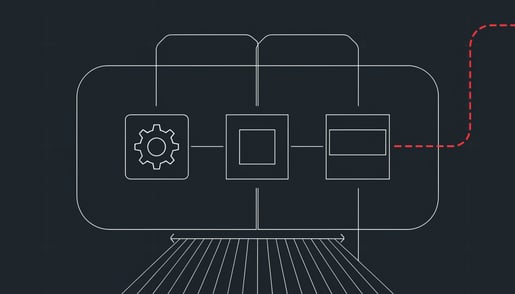
Schematic showing forged executive display name and reply-to fields driving fraudulent ACH invoice payment routing

AI-Assisted Executive Impersonation Fuels Invoice Fraud at Organizations

AI-assisted impersonation has made executive fraud harder to spot. Attackers pose as senior leaders using generated email, voice, and video to authorize wire transfers, redirect vendor payments, or approve fraudulent invoices. Because the request arrives through expected channels and matches a known voice or writing style, staff often act without question.
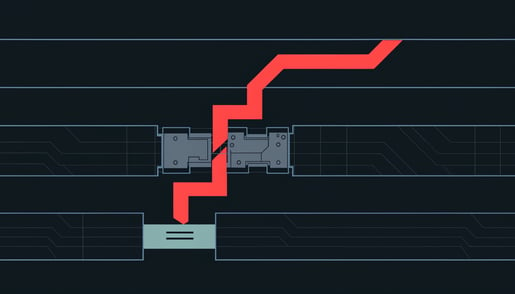
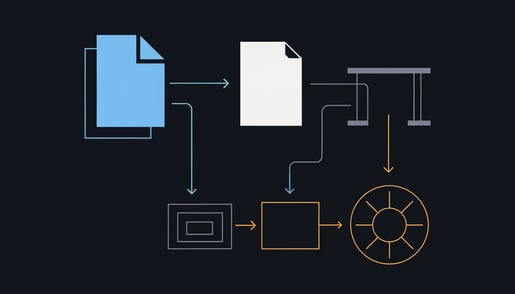
Schematic of browser-resident phishing page using service worker, sandboxed iframe and live attacker command channel

Attackers Build Phishing Pages That Exist Only Inside Victims' Browsers

Phishing has traditionally left a trail defenders can follow: a suspicious domain, a hosted page, a URL worth blocking. A newer approach removes much of that trail. Cybercriminals are building phishing pages that exist only inside victims' browsers, meaning the fraudulent page is assembled on the endpoint itself.
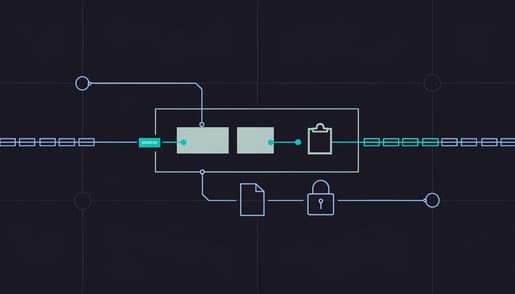
Schematic showing local privilege escalation through a Windows service to SYSTEM rights, as in CVE-2026-58611

September 2026 Patch Tuesday Addresses 999 CVEs Including CVE-2026-58611

Microsoft published 999 CVEs this month — 974 in its own products, 723 of those in Windows — which Rapid7 calls by far the most it has ever released in a single day. Two are already under active exploitation: CVE-2026-85880 in the Windows ALPC mechanism and CVE-2026-81963 in the Windows Update Stack, both reaching SYSTEM privileges.
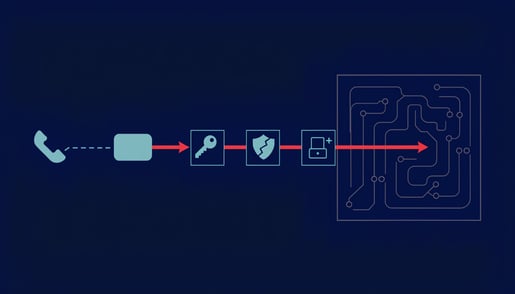
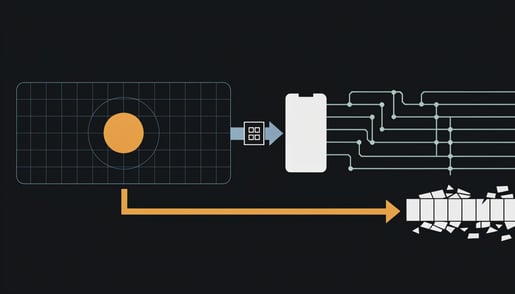
Diagram of browser skimmer hooking fetch API to swap cryptocurrency deposit addresses in page content and clipboard

ClickFix Moves Into the Browser With Tampermonkey Cryptocurrency Theft

The ClickFix technique, known for tricking users into running attacker-supplied commands themselves, has moved into the browser. In this campaign, operators abuse the Tampermonkey userscript extension to plant code inside the victim's browsing session and route command-and-control traffic through Google-hosted infrastructure, using that trusted hosting to blend in while stealing cryptocurrency.
Vishing attack chain schematic showing helpdesk MFA reset and device enrollment bypassing cloud tenant security

Health-ISAC Warns ShinyHunters Steals Healthcare Data in Rising Attacks

Health-ISAC, the information sharing and analysis center for the health sector, has warned members of increasing data theft attacks attributed to the ShinyHunters threat group targeting healthcare organizations. The advisory points to a rising volume of intrusions focused on stealing sensitive records.
Blueprint schematic of ClickFix-style double-extension script splitting into a decoy document and a silent MSI install

Trojanized Exodus Wallet Installer Delivers Modular RAT via ClickFix Lure

Users who download what appears to be the Exodus Wallet installer get no wallet at all. The tampered package, paired with a ClickFix lure, delivers an archive named Update_GS_7G0N-254V38L2350.zip containing the MSI payloads jg0384.msi and jn0101.msi, which install a modular remote access trojan.
Schematic of reverse RDP attack CVE-2026-42985 where a malicious server overflows the Remote Desktop Client buffer

Microsoft Patch Tuesday June 2026 Fixes Prominent Vulnerabilities With Snort Rules

Microsoft's June 2026 security update covers 206 vulnerabilities , 32 of which the company marked critical. Key Insight: Of those 32 critical entries, 28 are remote code execution flaws, meaning an attacker who reaches the affected component can run their own code on the machine.

More Articles …

  1. Brave Browser Adds Email Aliases That Help Users Evade Tracking
  2. Identity Hardening Controls That Blunt ClickFix and Credential Abuse
  3. Rhysida Ransomware Hits Berlin State Network as City Refuses to Pay
  4. DPRK IT Workers Tied to FAMOUS CHOLLIMA Use Astrill VPN and IPRoyal Proxy
  • 1
  • 2
  • 3
  • 4
  • 5
  • 6
  • 7
  • 8
  • 9
  • 10

Page 4 of 67

Facebook
LinkedIn
Mastodon
Bluesky
Schedule Your Assessment!

About Us

  • Privacy Policy
  • Code of Ethics
  • Sitemap
Mastodon

Areas We Serve

  • Managed IT Services Springfield, Ohio
  • Managed IT Services Dayton, Ohio
  • Managed IT Services Columbus, Ohio
Location: Springfield, Ohio · Serving Southwest and Central Ohio
Phone: (937) 319-1211
Email: [email protected]
SUBSCRIBE To Our Newsletter

Get the latest news!

Copyright © 2026 Capstone Technologies Group. All Rights Reserved.
Customized & Hosted by Capstone Technologies Group Great Hosting