The captive portal detection URLs your devices request automatically—like http://detectportal.firefox.com/canonical.html or http://www.msftconnecttest.com/connecttest.txt—travel over plain HTTP by design. That's the whole point: the network needs an unencrypted request it can intercept and redirect. (Source: Isc)
Key Insight: For a law firm, accounting practice, or consulting group, that same mechanism is exactly what an attacker on a hostile WiFi network abuses to steer your device somewhere it shouldn't go.
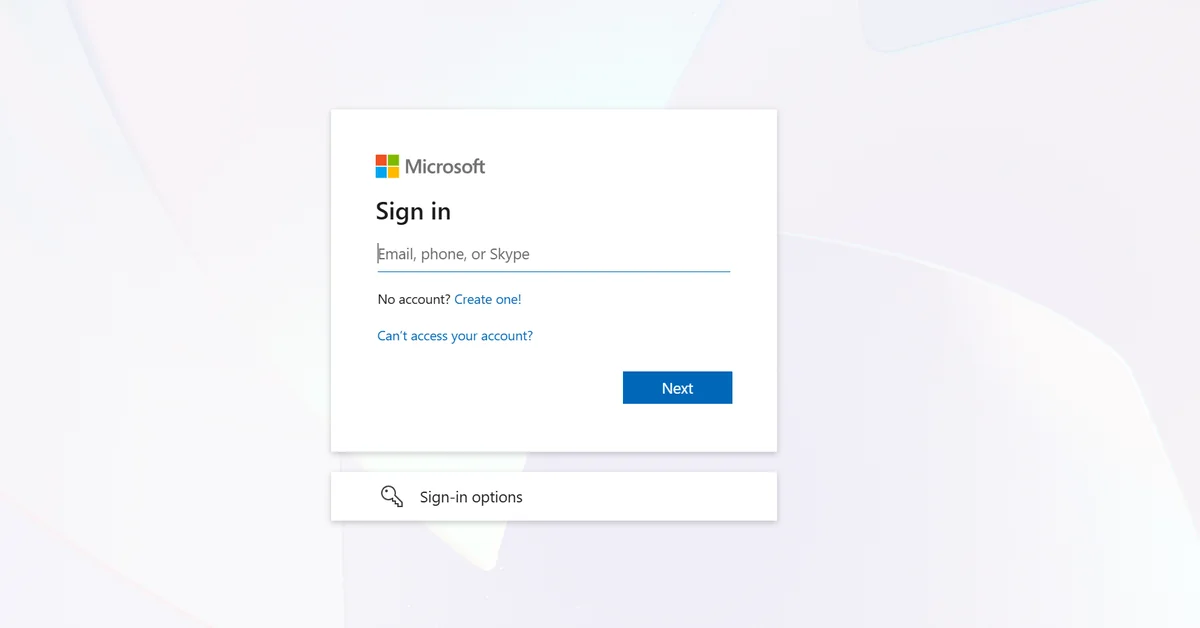
Here's what that looks like in practice. Your associate connects to the "Guest_WiFi" at a courthouse, a client's office, or a hotel conference center. Their laptop or phone fires off one of these detection requests. A malicious or misconfigured portal answers with a redirect to a lookalike sign-in page. Because the check runs over HTTP and the response is expected to be a redirect, nothing about the flow looks unusual to the user—they see a login prompt and, out of habit, they type something in.
What's at risk when that habit kicks in on a network you don't control:
- Credentials. A fake portal that mimics a Microsoft or Google login harvests the username and password your staff reuse to reach email, document management, and cloud file stores.
- Client files in transit. An attacker controlling the portal controls the first hop of every connection until the user authenticates, giving them a window to push the browser toward attacker-controlled pages.
- Privileged communications. For a firm handling matters under attorney-client privilege, or an accountant holding tax records, the exposure isn't just IT downtime—it's data you are legally obligated to protect.
The detection request itself also tells an attacker something useful. As the source notes, the URL your device pulls reveals the operating system or browser in use—Windows, macOS, iOS, Android, Chrome, or Firefox. That means before you even sit down, someone watching the WiFi knows whether they're targeting a Windows fleet or a room full of iPhones, and can tailor the fake portal accordingly.
All these URLs use HTTP so the captive portal can redirect the request. This is necessary for the client to discover the captive portal's "splash screen."
Why professional service firms feel this more than most: your business runs on client confidence and data custody, and both carry legal weight. If credentials stolen through a fake portal lead to unauthorized access to client records, you may face reporting obligations—to state bar counsel, to clients under an engagement letter, to the SEC for registered advisers, or under state breach-notification statutes. A single compromised login for a partner with broad access to the document management system can expose multiple clients' matters at once.
The exposure compounds because your people are mobile. Litigators work from courthouses, auditors work on-site at clients, consultants live in airports and hotels. Every one of those untrusted networks issues a captive portal, and every device you own answers automatically. You are not dealing with a rare edge case—this is traffic your fleet generates every day, on networks you have no authority over.
The financial and professional consequences don't stay contained to an IT ticket. Unauthorized access to client data can trigger malpractice exposure, contractual liability under client security addenda, and the cost of forensic investigation to determine what was actually accessed. When you can't prove what a stolen credential did or didn't reach, you often end up notifying and remediating as if it reached everything.
How Captive Portal Detection Bypasses Work
The detection process itself is predictable, and that predictability is what an attacker on the same network uses against a device. When a laptop or phone joins a network, it fires an unauthenticated HTTP request to a hardcoded URL and inspects the exact response. Windows expects the literal string "Microsoft Connect Test" from http://www.msftconnecttest.com/connecttest.txt plus a matching DNS lookup for dns.msftncsi.com. Apple expects "Success" from http://captive.apple.com/hotspot-detect.html. Android and Chrome expect an empty body with an HTTP 204 No Content status.
The device decides three things from that single response: is there internet, is there a captive portal, or is the connection open and clean. An attacker who controls the network path controls all three answers.
The legitimate flow versus the malicious one
In a normal captive portal, the network intercepts the plain HTTP probe and returns a redirect to a sign-in page. The operating system sees the redirect, flags the network as "portal required," and pops the login splash screen. Once you authenticate, the same probe returns the expected string and the device marks the network as connected.
A malicious operator manipulates that same exchange in two directions:
- Spoofing "connected" to stay hidden. The attacker's rogue access point answers the probe with exactly what the OS wants — "Success," "Microsoft Connect Test," or a
204with no body. The device concludes the network is open and trustworthy, and no portal or warning ever appears. This is the quiet path: the user notices nothing unusual. - Forcing a fake portal to harvest credentials. The attacker returns a redirect to a lookalike login page instead of the real one. Because the probe is unauthenticated HTTP by design, the device happily opens whatever page the network hands back, inside the trusted Captive Network Assistant or a browser window the user associates with "logging into WiFi."
The business consequence is that a device can join a hostile network and report itself as fully connected, with no portal prompt to signal that traffic is passing through equipment the attacker controls. For a firm whose staff connect from client sites and hotels, that means the endpoint's own connectivity check offers no warning.
What the attacker gains
Answering the probe first requires the attacker to sit in the network path — a rogue access point broadcasting a familiar SSID, or a machine positioned to respond faster than the legitimate gateway. From there, the same position that answers the connectivity check also carries every subsequent request, which is textbook man-in-the-middle placement.
Because the probe URLs also identify the client, the operator gets free reconnaissance before any user interaction. A request to http://detectportal.firefox.com/canonical.html reveals a Firefox user; a hit on http://connectivitycheck.android.com/generate_204 flags an Android device; the gstatic.com and clients3.google.com variants mark Chrome and Chromium. This tells the attacker which operating systems and browsers are present so a fake portal or follow-on payload can be tailored to match.
What this looks like in traffic
These probes are constant background noise, so the signal is in the responses, not the requests. Points worth understanding for later analysis:
- The expected responses are fixed strings and status codes. A
200 OKwhere Android expects a204, or a body that isn't the literal "Success" Apple looks for, indicates something is answering on the network's behalf. - A redirect to any host other than the known vendor domains during the probe is the fingerprint of a portal — legitimate at a hotel, suspicious at a client office that shouldn't have one.
- The DNS lookup for
dns.msftncsi.comresolving to an unexpected address is a sign the name resolution path is being manipulated alongside the HTTP probe.
Because all of these checks run over HTTP with no certificate to validate, there is no cryptographic anchor for the device to fall back on. The device trusts the response because the design requires it to, which is exactly why the responses — not the requests — are where an analyst finds evidence of interference.
Detection and Incident Response for Captive Portal Exploitation
The most urgent action is to pull HTTP proxy and DNS logs for any device that connected to untrusted WiFi, and look for captive portal detection requests that returned unexpected responses. A normal request to a detection endpoint returns a fixed string or an empty 204. Anything else — an HTTP 200 with an HTML login page, a redirect to an unfamiliar domain, or a certificate warning on what should be a plain HTTP check — is your signal that a network tried to intercept the device.
The following steps use the five functions of the NIST Cybersecurity Framework in order of urgency.
Identify. Build a list of every device that leaves your office network: laptops, phones, and tablets that join client, courthouse, hotel, or conference WiFi. These are the assets exposed to hostile captive portals. Flag any device an associate reports as showing a login page that looked wrong, kept reappearing, or asked for corporate credentials.
Protect. In the next 24 hours, require a VPN connection before any browsing on untrusted networks, so detection traffic and the session that follows travel through an encrypted tunnel the local network cannot read or redirect. For high-risk roles, disable automatic captive portal detection on client-facing devices and have staff connect manually through the VPN client instead.
- Push a browser policy that blocks credential entry on plain HTTP pages.
- Turn off automatic reconnection to open networks so a device does not silently rejoin a hostile access point.
- Require managed devices to present a valid certificate to reach internal services, so a phished credential alone does not grant access.
Detect. Write monitoring rules that alert when a detection endpoint returns a status code or body that does not match the expected value — a 200 where a 204 belongs, or a redirect to a domain outside the known vendor endpoints. Because a hostile portal that harvests credentials produces an authentication attempt afterward, watch for logins that follow shortly after a device joined an outside network. Adlumin monitors authentication patterns across managed environments Capstone runs, catching login anomalies from an unfamiliar location or device that indicate credentials captured on a hostile network.
A device that "detects" a captive portal on a network you control, such as your own office, is worth investigating — there should be nothing to redirect to.
Respond. If you confirm a device hit a malicious portal, isolate it from the corporate network before it reconnects to internal systems. Preserve the artifacts that show what happened: the device's DNS resolver cache, browser history and saved sessions, the WiFi connection log, and any proxy records of the detection request and its response.
- Reset the credentials of any account used on that device, starting with email, VPN, and any single sign-on account that unlocks other systems.
- Revoke and reissue session tokens so a stolen cookie cannot keep an attacker logged in after the password change.
- Notify affected clients if the device held or accessed their matter files, following your engagement-letter and breach-notification obligations.
Recover. Rebuild any device you cannot clear, and restore its data from a known-good backup rather than trusting local state. Afterward, segment guest and client-facing devices away from systems holding privileged data, so a single compromised laptop cannot reach the file server. Feed what you learned — which network, which portal behavior, which account — back into your monitoring rules and your travel-device policy so the next attempt on an outside network is caught at the detection request rather than after credentials are lost.
Network and Device Controls to Prevent Captive Portal Attacks
The fastest control you can apply is a VPN-first access policy that forces managed devices to establish an encrypted tunnel before any captive portal detection request leaves the device. On a hostile network, the detection request travels over plain HTTP and is the first thing an attacker on the same segment sees. If your VPN client is configured to block all non-tunnel traffic until the tunnel is up, that first request never reaches an attacker's rogue captive portal.
The catch is real: captive portals must be satisfied before a VPN can connect, since the portal itself blocks internet access. The practical answer is a controlled portal-login mode that permits only DNS and HTTP to the portal, then requires the VPN before anything else. This means your associate can still sign into hotel WiFi, but the device won't send credentials, sync mail, or hit internal systems until the encrypted tunnel is established.
Identify
Start by inventorying which managed devices actually reach the detection endpoints and over what networks. Pull your mobile device management (MDM) records for laptops, phones, and tablets that connect outside the office, and flag any that lack an enforced VPN profile. You cannot restrict captive portal behavior on devices you don't know are roaming.
Protect
With the inventory in hand, tighten the detection behavior itself through your management platform. These are policy changes you can push centrally, ranked from quick wins to infrastructure work:
- Disable or restrict captive portal probing on managed devices. On Windows, the Network Connectivity Status Indicator active probe can be controlled through Group Policy and registry configuration; on macOS and iOS, the Captive Network Assistant can be disabled or governed through MDM profiles; Android's connectivity check can be steered via enterprise policy. Turning these off on devices that always use a corporate VPN removes the attacker's predictable trigger entirely.
- Require multi-factor authentication on every network access point your firm controls, including guest and branch WiFi. If an attacker replays a captured detection request to fingerprint a device, MFA on the actual login stops that reconnaissance from turning into account access.
- Point detection probes at an internal validation endpoint where you control the network, so managed devices check a portal you own rather than a public HTTP URL. This limits the fingerprinting value an attacker gets from watching the request.
Identity and login anomalies are where a bypassed device shows up first. Adlumin monitors authentication patterns across managed environments, so a device that connected through an untrusted network and then produced an unexpected sign-in gets flagged before the credential is reused elsewhere.
Detect and Respond
For portals you operate, enforce certificate pinning on the validation flow so a managed device only trusts your portal's certificate and rejects an attacker's substitute. A rogue captive portal that tries to present its own certificate to intercept the redirect fails the pin check, and the device treats the network as untrusted instead of following the redirect.
The infrastructure-level control that limits blast radius is network segmentation. Keep client-data networks physically and logically separate from general internet and guest access, so a device compromised on a hostile external WiFi cannot pivot into matter files, billing systems, or document management when it returns to the office.
Enforce network access control (NAC) at the edge: a returning device passes a posture check before it touches the client-data segment, and any device that fails lands on a quarantine VLAN with internet-only access.
NAC is the heaviest lift here because it requires switch, controller, and policy-server coordination, but it closes the loop the other controls open. A laptop that was steered by a rogue portal on the road proves its patch state, VPN status, and endpoint health before it gets near sensitive data. Start with the VPN policy and MDM probe restrictions this week, add MFA and certificate pinning next, and stage segmentation and NAC as your infrastructure budget allows.
Regulatory and Liability Considerations for Professional Firms
If a captive portal interception exposes client data on an untrusted WiFi network, the disclosure obligations you face are not hypothetical—they come from the same rules that govern every other form of client confidentiality your firm has already agreed to uphold. A captive portal breach is simply a new technical path to the old problem of unauthorized access to privileged information.
Start with your professional responsibility rules. State bar authorities require attorneys to make reasonable efforts to prevent unauthorized disclosure of client information, and that duty extends to the technology you use to transmit and store it. If an associate connects to a hostile network and a manipulated captive portal detection request steers their device toward credential theft or session hijacking, you have a competence and confidentiality question, not just an IT ticket.
The same logic applies across regulated practice areas:
- Accounting and financial advisory firms operating under SEC oversight face obligations to safeguard nonpublic client information, and an exposure that reaches client financial records can trigger examination scrutiny.
- Firms handling protected health information under HIPAA—including outside counsel and consultants acting as business associates—carry breach notification duties when unsecured PHI is accessed by an unauthorized party.
- Any firm with an engagement letter that commits to specific data-protection standards has created a contractual obligation you can be held to, separate from statute or bar rule.
Here is where the reporting clock matters to you. Many state breach-notification statutes require you to notify affected individuals within a defined window once you determine that personal information was accessed. Bar authorities in several jurisdictions expect prompt client notification when confidentiality is compromised. HIPAA imposes its own notification timelines to affected individuals and regulators.
These timelines run whether or not you have finished your internal investigation, which means a device compromised on a courthouse or hotel network can convert a technical incident into a disclosure obligation before you have full facts. That gap between "something happened" and "we know exactly what was taken" is where firms get caught underprepared.
The exposure that matters to a partner is not the intercepted HTTP request itself—it is the client whose privileged file was read, and the notification duty and potential malpractice claim that follow.
Civil liability is the second exposure. A client whose confidential information is disclosed can bring a malpractice or breach-of-contract claim, and the standard you will be measured against is your duty of care in protecting their data. If you allowed devices carrying privileged information onto unmanaged networks without reasonable controls, opposing counsel and disciplinary boards will frame that as a foreseeable and preventable failure.
Disciplinary action is a distinct track from a lawsuit. A bar grievance does not require the client to prove financial damages the way a malpractice suit does; it asks whether you met your professional obligations. Both can proceed from the same incident, and both consume partner time, outside defense costs, and firm reputation regardless of how they resolve.
For partner-level resource decisions, the practical calculation is straightforward. The cost of controlling how firm devices behave on untrusted networks is small and predictable. The cost of a confidentiality breach—client notification, regulatory response, malpractice defense, a disciplinary matter, and the client relationships that may not survive it—is large and difficult to bound in advance. Fund the control side of that equation before an incident forces the other side onto your books.
What to Do First: Immediate Actions for Professional Firms
The one action worth taking before anything else: audit your current device and network configurations to find where automatic captive portal detection is enabled, then disable it on every device that touches client data. These detection probes fire over plain HTTP the moment a device joins a network, and on a hostile WiFi network that first request is what an attacker on the same segment sees and can respond to.
Once detection is disabled on managed devices, confirm that all remote access paths require multi-factor authentication. That means your VPN, any cloud portals your staff sign into, and web-based email. MFA does not stop an interception attempt, but it means a single set of captured credentials is not enough to reach client files.
The third step is a conversation, not a configuration change. Notify your IT team and your security provider that captive portal interception is a live concern for firms handling privileged data, and ask for a review of your network access controls within the next 30 days. Frame the request around the specific detection endpoints your devices call and how your policies handle them.
A short way to think about the priority order:
- First: disable automatic captive portal detection on devices accessing client data.
- Second: require MFA on VPN, cloud portals, and email.
- Third: request a 30-day review of network access controls from IT and your security provider.
This is not a future risk. Captive portal bypasses are being abused against firms like yours today, and the mechanism works because the detection design assumes an unencrypted request the network can intercept. Action is required.