When phishing emails land in executive inboxes despite expensive email security subscriptions, the damage extends far beyond a single compromised account. The Sneaky2FA operator documented in recent incident response work demonstrates why: they're running credential theft operations against UK and US government agencies, energy companies, and healthcare organizations using domains that look completely legitimate to security filters. These aren't amateur operations—the infrastructure spans 117 origin servers in Kansas City, Missouri, maintained continuously for over two years. (Source: Csoonline)
The business impact becomes clear when you understand what happens after initial compromise. A single successful phishing attack using aged-domain tactics provides attackers with authenticated access to corporate systems. From there, they move laterally through networks, accessing email archives, financial systems, and intellectual property repositories. Healthcare organizations face particular risk because compromised credentials often provide access to electronic health records systems containing millions of patient records.
Energy sector targets represent an even more concerning pattern. These organizations manage critical infrastructure where unauthorized access could disrupt power generation, distribution systems, or pipeline operations. When attackers maintain presence on the same infrastructure for two years, as documented in the Sneaky2FA case, they're not conducting quick smash-and-grab operations. They're establishing persistent access for long-term intelligence gathering or positioning for future destructive attacks.
The financial mathematics of aged-domain acquisition make this tradecraft particularly attractive to criminal operators. Services like DropCatch, SnapNames, and GoDaddy Auctions sell expired domains with decade-long clean histories for $50 to $500. Compare that investment to the potential return from a successful enterprise breach—ransomware payments averaging millions, stolen intellectual property worth years of R&D investment, or access to government systems containing classified information. The asymmetry explains why operators continue refining these techniques.
What makes aged-domain attacks especially dangerous is their ability to bypass the reputation scoring that forms the foundation of enterprise email security. Microsoft Defender for Office 365, Proofpoint, Mimecast, and Cisco Talos all rely heavily on domain age as a trust signal. A nine-year-old domain inherits years of accumulated reputation points, even when ownership transfers to criminal operators. The security stack treats these domains as trusted senders because the algorithms can't distinguish between legitimate history and criminal acquisition.
The operational reality for targeted organizations is stark. Your users receive phishing emails that look legitimate, come from domains with sterling reputations, and pass through multiple layers of expensive security controls. The lures deploy sophisticated credential theft kits like Sneaky2FA that capture not just passwords but also two-factor authentication tokens in real-time. Once attackers have valid credentials with 2FA tokens, they access systems as legitimate users, making detection exponentially harder.
Government agencies face additional complications from these attacks. Compromised credentials in government environments can expose classified systems, citizen data, and national security information. The targeting pattern observed—mixing government agencies with critical infrastructure providers—suggests operators understand the value of these dual-use accesses for both financial crime and potential nation-state operations.
Sneaky2FA's Attack Chain: From Domain Registration to Credential Theft
The attack sequence begins with domain acquisition through specialized drop-catching services. When digitalscrapbookingfreebies.com's registration expired, the Sneaky2FA operator paid between $50 and $500 through services like DropCatch, SnapNames, or GoDaddy Auctions to acquire it immediately upon expiration. This investment buys them nine years of established reputation that email security filters trust implicitly.
The operator then enters a strategic dormancy period. For six months after acquisition—from July 2025 to December 2025 in the digitalscrapbookingfreebies.com case—no certificates are issued, no infrastructure changes occur. This waiting period serves two purposes: it distances the takeover from any immediate security scrutiny, and it allows the domain's reputation scores to stabilize after the ownership transfer.
Infrastructure deployment follows a calculated pattern. The operator begins issuing certificates for new subdomains that have no connection to the original domain's purpose. Subdomains like beds, footboard, haushafin, and locklear appeared on the scrapbooking domain in December 2025, followed by nativems-mfl09093004 in January 2026. These wordlist-generated subdomains serve as the actual phishing endpoints while the parent domain provides the reputation bypass.
The certificate authority switch marks the technical transition. Where the legitimate owner used cPanel Inc. and Let's Encrypt R3 consistently for nine years, the operator introduces Let's Encrypt R13 certificates for their new subdomains. This CA change happens quietly—reputation systems don't flag it because the domain age metric dominates their scoring algorithms.
Mail filter evasion relies on a fundamental scoring weakness. Microsoft Defender for Office 365, Proofpoint, Mimecast, and Cisco Talos all weight domain age as a primary trust signal. The nine-year history of digitalscrapbookingfreebies.com translates to high reputation scores that override other suspicious indicators. The freshly created subdomains inherit this trust score from their parent domain.
The operator maintains dual infrastructure strategies based on target profiles. Fresh domain registrations serve SSO-themed attacks where the subdomain itself mimics corporate authentication endpoints—the parent domain matters less when users see familiar-looking login pages. Aged domains deploy against enterprises with sophisticated email filters where the domain reputation score determines whether the email reaches the inbox.
Credential harvesting happens through the Sneaky2FA kit deployed across those 117 origin servers. The kit presents victims with convincing authentication pages that capture both passwords and two-factor authentication codes in real-time. The operator proxies these credentials immediately to the legitimate service, maintaining the session while the victim believes they've successfully logged in.
The targeting precision reveals operational sophistication. UK and US government agencies receive lures from aged domains because their email filters employ strict reputation scoring. Energy companies and healthcare SMBs see the same aged-domain attacks, suggesting these sectors also deploy reputation-based filtering that the operator has profiled. The consistent infrastructure maintained for over two years indicates this isn't opportunistic—it's a sustained campaign with specific victim selection criteria.
The timeline from domain acquisition to active phishing spans approximately seven months. This patient approach maximizes the return on each aged-domain investment while minimizing detection risk during the critical infrastructure setup phase.
Sneaky2FA Domain Takeover Attack Sequence
Value: 9 years of established reputation
Detection: Identifying Aged-Domain Phishing and 2FA Bypass Attempts
Certificate transparency logs offer your fastest detection opportunity when phishing operators deploy aged domains. Configure automated queries against CT log aggregators like crt.sh or Facebook's CT Monitor to alert on new certificate issuances for domains already in your email flow. When a domain that's been sending legitimate traffic suddenly issues certificates for unrelated subdomains—like beds.digitalscrapbookingfreebies.com or nativems-mfl09093004.digitalscrapbookingfreebies.com—you're witnessing infrastructure preparation before the phishing campaign launches.
The certificate authority change pattern provides another real-time indicator. Build detection rules that fire when a domain switches from its historical CA to a new issuer. The digitalscrapbookingfreebies.com case showed this clearly: eight years of cPanel Inc. and Let's Encrypt R3 certificates, then GoDaddy certificates appeared in April 2025, signaling the ownership transition. Your SIEM should treat any CA change after years of consistency as high-priority for investigation.
Monitor certificate renewal gaps through your threat intelligence platform. Domains with consistent 60-90 day renewal cycles that suddenly go dark for months before resuming with new subdomains indicate takeover activity. Set your detection threshold at 120 days—any domain that misses two standard renewal cycles then resurfaces deserves immediate scrutiny. This catches operators during their dormancy period, before they deploy phishing infrastructure.
Exchange message tracking logs reveal authentication anomalies when aged domains begin phishing operations. Configure alerts for DMARC authentication failures from domains with SPF pass results—this combination indicates the domain is legitimate but the email content has changed. Track reply-to header mismatches where the FROM domain passes reputation checks but replies route to different infrastructure. These split-routing tactics let operators leverage aged-domain reputation while maintaining operational security.
Your identity provider logs—whether Okta, Azure AD, or Duo—contain the post-phishing indicators. Create correlation rules that detect successful authentications from new geographic locations within 30 minutes of a password reset request. The Sneaky2FA toolkit specifically targets MFA bypass, so monitor for push notification fatigue attacks: multiple denied push requests followed by an approval, especially outside business hours. Flag any session where MFA is satisfied but the authentication risk score remains elevated.
Endpoint telemetry catches credential theft tools after initial compromise. Deploy Sysmon or native Windows event logging to detect process creation events for known credential dumping utilities. Monitor for LSASS memory access from unexpected processes—legitimate tools rarely need to touch the Local Security Authority Subsystem. Track PowerShell execution with encoded commands or downloads from newly observed domains, particularly those matching your CT log alerts.
Prioritize detection speed through this hierarchy: CT log monitoring provides hours of advance warning before campaigns launch. Email authentication anomalies catch attacks in progress. Identity provider alerts surface successful compromises within minutes. Endpoint detection confirms post-exploitation activity but arrives too late for prevention. Structure your SOC runbooks accordingly—CT alerts warrant immediate domain blocking, while endpoint alerts trigger incident response.
Configure your security stack to correlate these signals. When CT logs show new subdomain creation, email logs show authentication changes, and identity systems record unusual access patterns from the same domain within a 48-hour window, you're observing an active aged-domain phishing operation. This correlation pattern appeared consistently across the documented Sneaky2FA infrastructure and provides high-confidence detection with minimal false positives.
Immediate & Short-Term Response Actions by Role
When phishing operators successfully deploy aged domains against your organization, response velocity determines whether you're containing a single compromised account or investigating a full breach. The Sneaky2FA infrastructure documented in recent incidents demonstrates why traditional response playbooks fail: operators maintain persistent access through credential theft while your reputation filters continue trusting their aged domains.
Immediate Actions - Next 24 Hours
Security Operations Center analysts should query authentication logs for anomalous MFA patterns, specifically looking for successful logins immediately following password resets or MFA enrollment changes. The Sneaky2FA kit intercepts and replays authentication tokens in real-time, meaning successful bypasses appear as legitimate sessions in your logs. Focus queries on accounts that accessed sensitive systems after receiving emails from domains with certificate authority changes in the past six months.
Email administrators must implement temporary sender restrictions while investigation proceeds. Configure your mail gateway to quarantine messages from domains exhibiting the takeover pattern: domains older than five years that suddenly register new subdomains unrelated to their historical purpose. This won't catch everything, but it creates breathing room while you implement deeper controls.
The CISO needs to authorize emergency credential rotation for accounts that received phishing emails in the past 72 hours, regardless of whether users reported clicking links. The Sneaky2FA operator's infrastructure captures credentials even when users abandon the phishing page mid-entry. Prioritize accounts with administrative privileges, access to financial systems, or ability to approve wire transfers.
Short-Term Actions - Week One
Incident response leads should conduct targeted threat hunts across authentication infrastructure. Query your SIEM for authentication events where the user agent string changes mid-session, geographic location shifts unexpectedly, or MFA challenges succeed despite users reporting they never received prompts. These patterns indicate active credential replay attacks that standard authentication monitoring misses.
Configure your email security gateway to flag messages from domains exhibiting specific behavioral changes. Create rules that trigger when a domain's certificate transparency logs show: gaps exceeding 90 days followed by new issuance, switches from one certificate authority to another after years of consistency, or new subdomain certificates containing random character strings or keywords unrelated to the domain's historical content.
SOC managers need to establish monitoring for lateral movement from potentially compromised accounts. Deploy canary files in directories commonly accessed by phished users, configure honey tokens in shared drives, and enable command-line auditing on endpoints belonging to targeted departments. The Sneaky2FA operator typically maintains access for weeks before executing secondary objectives.
Key Insight: SOC managers need to establish monitoring for lateral movement from potentially compromised accounts.
Week Two Priorities
Email security teams should implement DMARC enforcement at reject policy for all inbound mail, not just quarantine. While this may initially block some legitimate senders with misconfigured authentication, it prevents aged domains from spoofing your trusted partners. Create exception lists only after verifying sender legitimacy through out-of-band communication.
Identity and access management teams must enforce conditional access policies that require reauthentication when risk scores change mid-session. Configure these policies to trigger on: new device enrollment, authentication from previously unseen locations, or access attempts to high-value applications from accounts that recently received external email.
Your security engineering team should deploy certificate transparency monitoring for your organization's critical suppliers and partners. When a trusted vendor's domain exhibits the takeover pattern, you need early warning before phishing campaigns launch using their inherited reputation.
Long-Term Defenses: Reducing Aged-Domain and 2FA Bypass Risk
Building lasting defenses against aged-domain phishing requires fundamental changes to how your organization evaluates trust. The Sneaky2FA operator's success stems from exploiting a core assumption: that domain age equals legitimacy. Transforming this vulnerability into resilience means implementing architectural changes that evaluate behavioral patterns rather than static attributes.
Reconfiguring Email Gateway Trust Models
Your email security gateway needs to shift from age-based scoring to pattern-based evaluation. Configure Microsoft Defender for Office 365, Proofpoint, or Mimecast to weight certificate authority changes and subdomain proliferation patterns more heavily than domain registration dates. When implementing this change, create custom transport rules that quarantine messages from domains exhibiting certificate gaps longer than 90 days followed by new subdomain creation—the exact pattern seen with digitalscrapbookingfreebies.com.
Deploy SafeLinks or URL rewriting across all inbound email, forcing users through a sandbox evaluation even when the sending domain appears legitimate. This architectural change neutralizes the aged-domain advantage because every link gets evaluated at click-time, not just at delivery.
Passwordless Authentication as 2FA Bypass Prevention
The Sneaky2FA kit's ability to intercept and replay authentication tokens becomes irrelevant when passwords don't exist. Implement Windows Hello for Business or FIDO2 security keys for your critical user populations—executives, IT administrators, and finance teams. These cryptographic authentication methods can't be phished because the authentication happens between the device and your identity provider, not through a credential form that operators can replicate.
For healthcare organizations constrained by legacy clinical systems, deploy passwordless selectively. Start with administrative workstations and expand to clinical systems as vendors add support. Energy sector organizations should prioritize operational technology (OT) interfaces where credential compromise could affect critical infrastructure.
Conditional Access Policies Targeting Domain Reputation
Configure Azure AD Conditional Access or equivalent identity platforms to evaluate the referring domain during authentication attempts. Create policies that trigger step-up authentication when users arrive from domains registered within the past year or domains showing certificate authority changes. This approach specifically counters the Sneaky2FA operator's tactic of using both fresh and aged domains for different attack scenarios.
Government agencies operating under FedRAMP constraints should implement these policies at the identity provider level rather than relying on individual application controls. This ensures consistent enforcement across all cloud services without requiring modifications to each authorized application.
User Training Calibrated to Aged-Domain Tactics
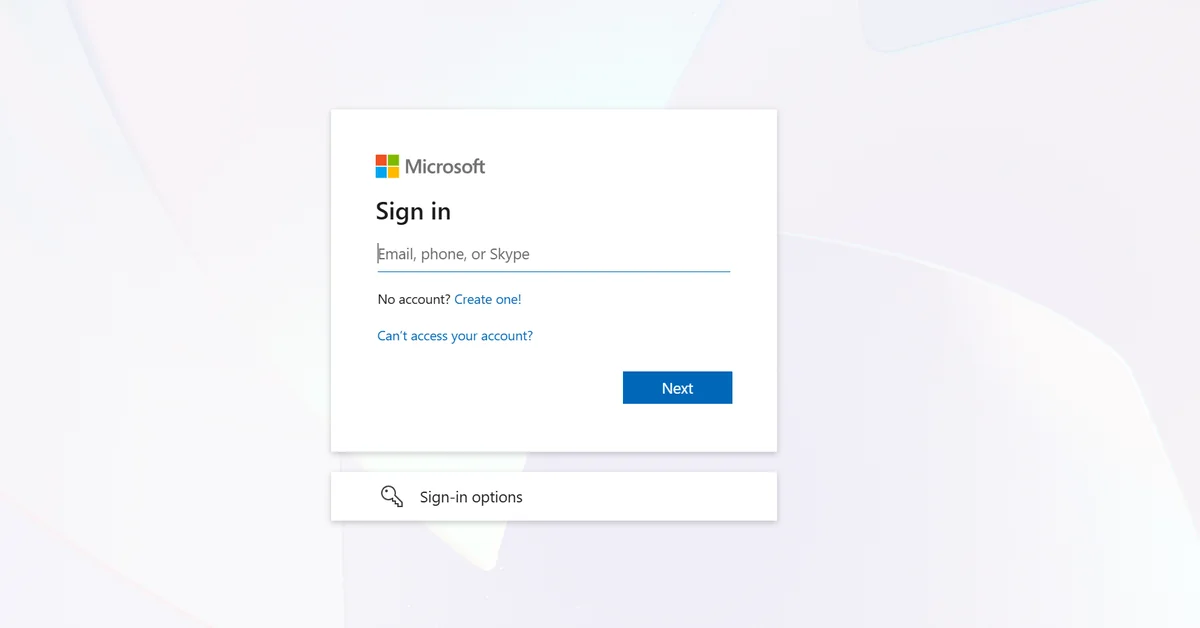
Traditional phishing training teaches users to check domain names and look for typos. Update your security awareness program to highlight the aged-domain threat. Show real examples where legitimate-looking domains like digitalscrapbookingfreebies.com suddenly host Microsoft login pages. Train users to verify authentication requests through bookmark-only access to critical services, never through email links.
Energy companies should emphasize this training for personnel with access to industrial control systems, where a single compromised credential could bridge IT and OT networks. Healthcare organizations need to focus training on staff accessing electronic health records, where HIPAA breach notifications from aged-domain compromises average significantly higher costs than standard phishing incidents.
Key Insight: Healthcare organizations need to focus training on staff accessing electronic health records, where HIPAA breach notifications from aged-domain compromises average significantly higher costs than standard phishing incidents.
These architectural changes work because they address the root vulnerability rather than its symptoms. Domain age becomes irrelevant when every authentication requires cryptographic proof, when suspicious patterns trigger additional verification, and when users understand that legitimate history doesn't guarantee current safety.
Sector-Specific Vulnerabilities: Why Energy, Government & Healthcare Are Prime Targets
Energy companies operate critical infrastructure that phishing operators view as strategic targets worth sustained effort. The Sneaky2FA operator's two-year persistence against energy sector targets reflects a calculated assessment: these organizations manage operational technology networks where a single compromised credential can cascade into physical infrastructure control. Energy companies typically maintain separate IT and OT environments, but email systems bridge both worlds—engineers receive maintenance alerts, supervisors coordinate outage responses, and executives discuss merger activities all through the same mail infrastructure that aged-domain phishing penetrates.
The convergence of information technology and operational technology in modern energy companies creates unique exposure. SCADA engineers often access both corporate email and industrial control systems from the same workstations, particularly in smaller municipal utilities and regional power cooperatives. When phishing succeeds against these dual-access accounts, attackers gain pathways into systems controlling power generation, transmission, and distribution networks.
Government agencies present different but equally attractive vulnerabilities to aged-domain operators. Federal, state, and local government workers process citizen data, manage benefit systems, and coordinate emergency services through email workflows that haven't fundamentally changed since the 1990s. The Sneaky2FA operator's targeting of UK and US government agencies exploits a structural weakness: government email addresses are publicly discoverable through FOIA requests, public meeting minutes, and procurement documents. This transparency requirement means phishing operators can build precise target lists of procurement officers, grant administrators, and department heads whose compromise yields maximum access.
State health agencies represent particularly vulnerable government targets. These organizations manage Medicaid systems, vital statistics databases, and public health surveillance networks while operating under budget constraints that limit security investments. Their email systems process everything from birth certificate requests to disease outbreak reports, creating high-value data concentrations that justify sophisticated phishing campaigns. The successful Sneaky2FA deployment against a US state health agency demonstrates how aged domains bypass the basic reputation filtering these resource-constrained agencies rely upon.
Healthcare organizations face the most complex vulnerability landscape among the three sectors. Small and medium healthcare businesses—the SMBs specifically targeted by the Sneaky2FA operator—run electronic health record systems, billing platforms, and clinical communication tools that all depend on email for critical workflows. Physician practices receive lab results via email, coordinate referrals through message exchanges, and process prior authorizations using forms attached to messages. This operational dependency means healthcare workers can't simply ignore suspicious emails the way office workers might—clinical care depends on timely email processing.
The mixed security maturity across healthcare networks compounds the aged-domain threat. Large hospital systems might deploy advanced email security, but their affiliated clinics, imaging centers, and specialty practices often use basic spam filters. Attackers targeting the weakest link in these medical networks gain access to shared health information exchanges, referral networks, and insurance claim systems that connect the entire care continuum.
Each sector's operational constraints shape how aged-domain attacks succeed. Energy companies can't easily block old domains that might belong to equipment vendors or service contractors. Government agencies must accept email from any citizen constituent. Healthcare providers must process messages from referring physicians, insurance companies, and patients using personal email accounts. These business requirements prevent the aggressive filtering that might stop aged-domain phishing in other industries.