Introduction
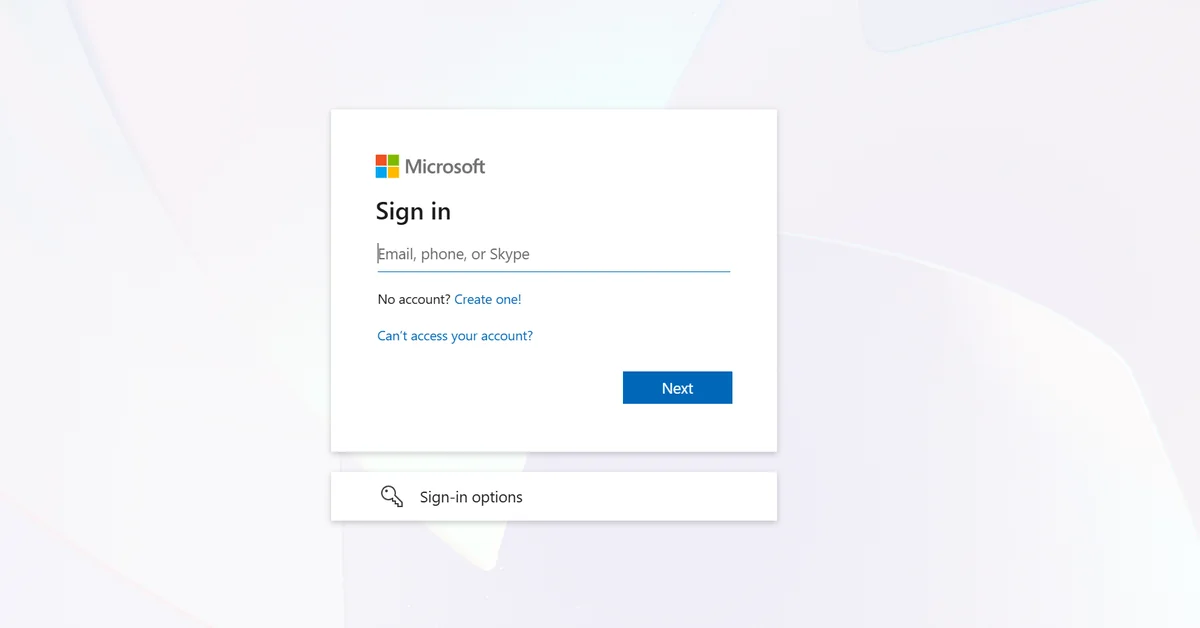
Amazon has taken decisive action to disrupt a watering hole campaign orchestrated by the Russia-linked hacking group APT29, also known as Cozy Bear. This campaign leveraged compromised websites to redirect unsuspecting users to malicious infrastructure. The attackers aimed to deceive users into authorizing attacker-controlled devices through Microsoft's device code authentication, a technique that grants unauthorized access to Microsoft accounts and sensitive data.
APT29, a notorious state-sponsored group with connections to Russia's Foreign Intelligence Service, has been actively involved in intelligence gathering. Their recent campaigns have increasingly adopted various phishing methods, including device code phishing, to infiltrate Microsoft 365 accounts. Amazon's intervention highlights the ongoing threat posed by APT29 and their evolving tactics, which include evasion techniques like Base64 encoding and shifting infrastructure to avoid detection.
Despite the group's attempts to adapt and migrate their operations, Amazon's security team has successfully tracked and disrupted their efforts, ensuring continued vigilance against such sophisticated cyber threats. This incident underscores the critical need for organizations to remain alert and implement robust security measures to protect their digital assets.
Threat Analysis
The recent disruption by Amazon of the APT29 watering hole campaign highlights a significant cyber threat targeting Microsoft device code authentication. This state-sponsored group, linked to Russia's Foreign Intelligence Service, has been leveraging compromised websites to redirect users to malicious infrastructure. This infrastructure is engineered to deceive users into authorizing attacker-controlled devices, thereby gaining unauthorized access to Microsoft accounts and sensitive data.
The campaign's methodology involved injecting JavaScript into legitimate websites, redirecting approximately 10% of visitors to domains controlled by APT29. These domains, such as findcloudflare[.]com, mimicked legitimate services to enhance their credibility and entice users into entering their device codes. This deceptive tactic underscores the group's sophisticated approach to intelligence gathering.
APT29's operations were further characterized by their use of evasion techniques. These included Base64 encoding to obscure malicious code, setting cookies to prevent repeated redirects, and rapidly shifting to new infrastructure when their operations were detected and disrupted. Such techniques illustrate the group's adaptability and persistence in maintaining their espionage activities.
"This opportunistic approach illustrates APT29's continued evolution in scaling their operations to cast a wider net in their intelligence collection efforts," noted Amazon's Chief Information Security Officer, CJ Moses.
From a managerial perspective, this incident emphasizes the critical need for robust security measures to protect organizational assets. The immediate impact of such campaigns can lead to unauthorized access to sensitive data, potentially resulting in data breaches and significant reputational damage. Organizations must remain vigilant, implementing comprehensive monitoring and response strategies aligned with the SANS Incident Response Process to quickly identify and mitigate similar threats.
Despite APT29's attempts to evade detection by transitioning to new cloud providers and registering additional domains, Amazon's proactive intervention has effectively disrupted their operations. This ongoing vigilance is crucial in safeguarding against the sophisticated tactics employed by such advanced persistent threats.
Attack Methodology & Attribution
The recent disruption of APT29's watering hole campaign by Amazon highlights a sophisticated attack methodology utilizing compromised websites to redirect users to malicious infrastructure. This infrastructure was designed to exploit Microsoft's device code authentication flow, tricking users into authorizing attacker-controlled devices. APT29, a state-sponsored group linked to Russia's Foreign Intelligence Service (SVR), employed these tactics to enhance their intelligence-gathering capabilities.
APT29, also known under various aliases such as Cozy Bear and Midnight Blizzard, has a history of leveraging advanced techniques to infiltrate targets. The group's recent campaign involved injecting JavaScript into legitimate websites, which redirected about 10% of visitors to domains like findcloudflare[.]com. These domains mimicked legitimate services, enhancing their credibility and enticing users into entering their device codes. This method is part of a broader strategy of device code phishing and demonstrates the group's ability to adapt and refine their tactics.
The campaign was further characterized by the use of evasion techniques, such as Base64 encoding to obscure malicious code and setting cookies to prevent repeated redirects from the same visitor. Additionally, APT29 showed resilience by shifting to new infrastructure when detected, including registering new domains like cloudflare.redirectpartners[.]com after Amazon's intervention.
"This opportunistic approach illustrates APT29's continued evolution in scaling their operations to cast a wider net in their intelligence collection efforts," noted Amazon's Chief Information Security Officer, CJ Moses.
Attribution to APT29 is supported by their known tradecraft, which includes leveraging compromised websites and phishing techniques to obtain unauthorized access to Microsoft 365 accounts. Their historical use of similar tactics, such as malicious RDP configuration files targeting Ukrainian entities, reinforces this connection. Despite Amazon's successful disruption of the campaign, the incident underscores the persistent threat posed by APT29 and the necessity for organizations to implement robust security measures. Utilizing the SANS Incident Response Process can help organizations quickly identify and mitigate such sophisticated threats, protecting sensitive data from unauthorized access.
Strategic Implications
The disruption of APT29's watering hole campaign by Amazon highlights significant strategic implications for organizations relying on cloud services and Microsoft authentication mechanisms. The infiltration of legitimate websites to redirect users to malicious domains poses business and financial risks. Companies may face operational disruptions and potential financial losses due to unauthorized access to sensitive data. Moreover, the campaign's use of Microsoft's device code authentication flow to gain access to user accounts underscores the vulnerability of widely-used authentication systems, necessitating immediate attention to enhance security protocols.
From a legal standpoint, organizations could encounter compliance challenges, particularly if customer data is compromised. This incident underscores the importance of adhering to data protection regulations such as GDPR, which mandates stringent measures to safeguard personal data. Failure to comply could result in substantial fines and legal repercussions, further impacting an organization's financial standing.
The reputational damage resulting from such breaches cannot be underestimated. Trust is a critical asset, and any perceived inadequacy in securing user data can lead to a loss of customer confidence. Organizations must therefore prioritize transparent communication and robust incident response to mitigate reputational harm.
In response to Amazon's intervention, APT29 demonstrated adaptability by migrating to new infrastructures and registering additional domains. This indicates a likely continuation of their offensive operations. Organizations should anticipate further attempts to exploit authentication systems and prepare accordingly.
- Implement multi-factor authentication to strengthen access controls.
- Regularly audit and monitor network traffic for anomalies.
- Educate employees about phishing tactics and safe browsing practices.
Utilizing the SANS Incident Response Process can help organizations quickly identify, contain, and eradicate threats, ensuring the protection of sensitive data and maintaining operational integrity.
Strategic Defense & Mitigation
To counter the sophisticated tactics employed by APT29 in their watering hole campaign, organizations must implement a multi-layered defense strategy. This should align with established frameworks like the NIST Cybersecurity Framework (CSF) and CIS Controls. Immediate actions include reinforcing authentication mechanisms and enhancing network monitoring capabilities.
First, it is crucial to strengthen authentication processes. Implementing multi-factor authentication (MFA) can significantly reduce the risk of unauthorized access, especially in environments utilizing Microsoft's device code authentication. This aligns with CIS Control 16, which emphasizes account monitoring and control. Regularly updating and auditing authentication protocols can prevent exploitation by threat actors like APT29.
Second, organizations should enhance network traffic monitoring. Deploying advanced intrusion detection systems (IDS) can help identify and mitigate unauthorized redirection attempts from compromised websites. This step is in accordance with the NIST CSF's Detect function, which focuses on developing and implementing the appropriate activities to identify the occurrence of a cybersecurity event.
- Conduct regular security audits to identify and patch vulnerabilities in web applications and servers.
- Implement web filtering solutions to block access to known malicious domains, such as those used by APT29.
- Utilize threat intelligence feeds to stay informed about emerging threats and adapt defenses accordingly.
Educating employees about the risks of phishing and social engineering is another critical measure. According to the SANS Incident Response Process, training staff to recognize and report suspicious activities can significantly enhance an organization's ability to respond to potential threats swiftly.
"Despite the actor's attempts to migrate to new infrastructure, including a move off AWS to another cloud provider, our team continued tracking and disrupting their operations," said CJ Moses, Amazon's Chief Information Security Officer.
Finally, maintaining a robust incident response plan is essential. This should include procedures for quickly identifying, containing, and eradicating threats, ensuring that sensitive data remains protected and operational integrity is maintained. By following these strategic defense and mitigation steps, organizations can better safeguard against the evolving tactics of APT29 and similar threat actors.
Conclusion
The disruption of APT29's watering hole campaign by Amazon highlights the ongoing threat posed by state-sponsored actors exploiting vulnerabilities in authentication processes. This campaign, which involved redirecting users from compromised websites to malicious infrastructure, underscores the need for vigilance in securing Microsoft device code authentication. APT29's tactics, including the use of JavaScript injections and evasion techniques like Base64 encoding, demonstrate their sophisticated approach to credential harvesting and intelligence gathering.
Organizations must prioritize strengthening their authentication protocols and network defenses. Regular security audits and implementing advanced intrusion detection systems can help identify and mitigate such threats. Additionally, educating employees about phishing risks is critical, as it enhances the organization's ability to recognize and respond to suspicious activities swiftly.
"Despite the actor's attempts to migrate to new infrastructure, including a move off AWS to another cloud provider, our team continued tracking and disrupting their operations," said CJ Moses, Amazon's Chief Information Security Officer.
As a final actionable recommendation, organizations should develop and maintain a robust incident response plan in line with the SANS Incident Response Process. This ensures quick identification, containment, and eradication of threats, safeguarding sensitive data and maintaining operational integrity against adversaries like APT29.
Need help reducing risk?
Book a quick consultation and get pragmatic guidance tailored to your environment.
Strengthen Your Cybersecurity Posture
Get expert guidance on protecting against this threat tailored to Your Industry.
Get My Free Consultation